
Many people wonder if they have enough vitamin D. A Vitamin D test can help answer this question. This blood test for vitamin D checks your levels and helps spot vitamin D deficiency. In fact, vitamin D deficiency screening is common, especially in places with little sunlight. If you want to know how to check vitamin D levels, your doctor may suggest this simple test. Understanding your vitamin D status is important for your health. Let’s explore what the test is, why you may need it, and how to get ready.
What is a Vitamin D Test?
A Vitamin D test measures the amount of vitamin D in your blood. Usually, it checks for a form called 25-hydroxyvitamin D. This is the best way to see how much vitamin D your body has. Doctors use this test to find out if you have too little or too much vitamin D. Sometimes, they use it to check if your treatment is working. The test is quick and simple.
Why is a Vitamin D Test Important?
Vitamin D helps your body use calcium and keep bones strong. Without enough vitamin D, you may have weak bones or muscle pain. Also, low vitamin D can affect your immune system. According to the CDC and WHO, many people worldwide do not get enough vitamin D. Therefore, a Vitamin D test helps find problems early. Early detection can prevent bone loss and other health issues.
Who Should Get Tested?
Not everyone needs a Vitamin D test. However, some people are at higher risk. You may need the test if you:
In addition, people living in northern cities or areas with little sunlight may need screening.
How is the Test Performed?
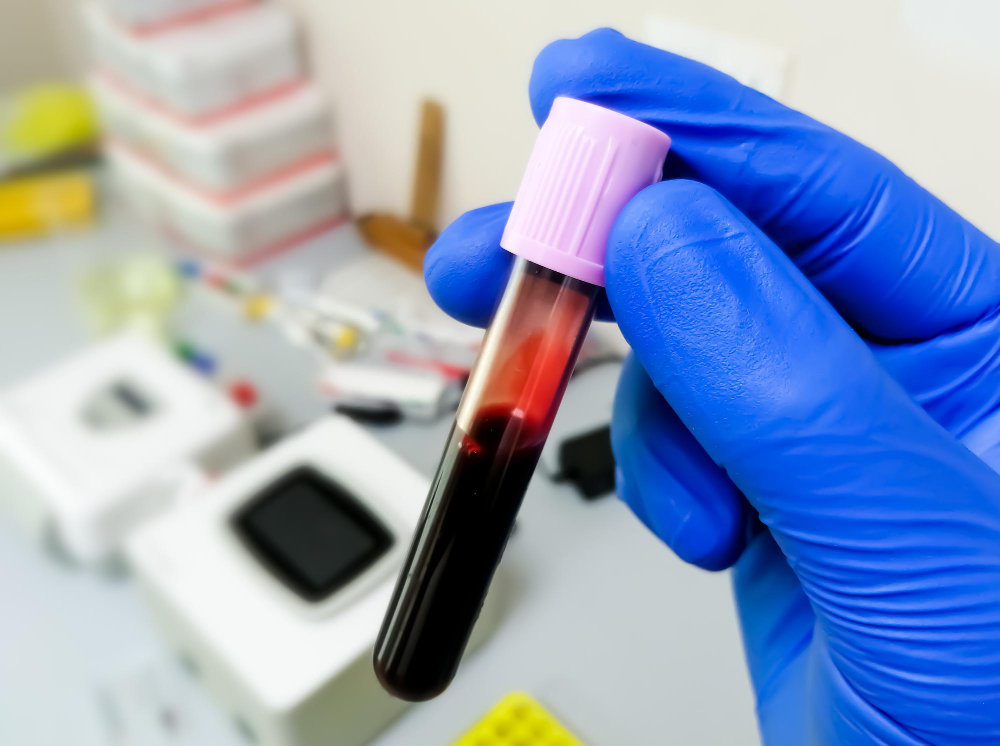
The Vitamin D test is a simple blood test. First, a healthcare worker cleans your arm. Next, they use a small needle to take a blood sample from a vein. The process takes only a few minutes. Afterward, your sample goes to a lab for testing. Most people feel little pain, but you may have a small bruise.
How to Prepare for a Vitamin D Test
Preparing for a Vitamin D test is easy. Usually, you do not need to fast. However, you should:
Sometimes, your doctor may give special instructions. Always follow their advice.
Understanding Your Results
After the test, your doctor will explain your results. Here is what the numbers mean:
However, normal levels may vary by age and health. If your level is low, your doctor may suggest supplements or more sun exposure. If it is high, you may need to lower your intake.
Risks and Limitations
The Vitamin D test is safe for most people. Still, some risks include:
Also, some factors can affect your results. For example, certain medicines or health conditions may change your vitamin D level. Therefore, always discuss your results with a healthcare provider.
Frequently Asked Questions
Prevention and Lifestyle Tips
To keep healthy vitamin D levels, you can:
But remember, too much sun can harm your skin. Always use sunscreen if you stay outside for long.
In summary, a Vitamin D test is a simple way to check your health. If you have concerns or symptoms, do not wait. Consult Samiksha Diagnostic Centre for personalized advice about Vitamin D testing. Our healthcare professionals are here to guide you and ensure your optimal health.