
Introduction to the CRP Test
The CRP test, also called the C-reactive protein test, is a simple blood test. It checks for inflammation in your body. Doctors often use the CRP test to help find out if you have an infection or another health problem. Because it is quick and easy, many people get a CRP test when they feel unwell. In this blog, you will learn what the CRP test is, why it is done, and what your results mean.
What Is a CRP Test?
A CRP test measures the amount of C-reactive protein in your blood. C-reactive protein is made by your liver. When your body has inflammation, your liver makes more CRP. Inflammation can happen for many reasons, such as infection or injury. Since the CRP blood test is simple, it helps doctors find out if there is a problem in your body.
Why Is the CRP Test Done?
Doctors order a CRP test for several reasons. Sometimes, you may have symptoms like fever, pain, or swelling. In these cases, the test helps find out if inflammation is present. Other times, the CRP test is used to:
For example, if you have a high fever, your doctor may order a CRP test to check for infection. In some places, you may hear about the “CRP test in [City/Country]” when looking for local labs.
How Is the CRP Test Performed?
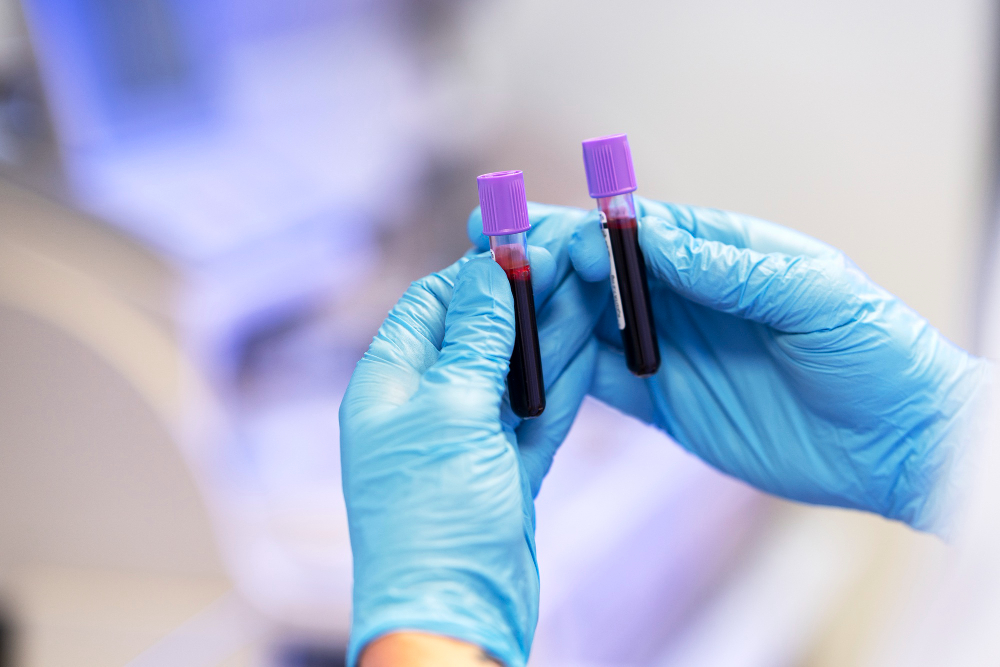
The CRP test is quick and safe. A healthcare worker will take a small sample of blood from your arm. Usually, the steps are:
Most people feel only a small pinch. Afterward, you may have a tiny bruise, but it goes away quickly. Because the test is simple, you do not need to stay at the clinic for long.
What Do CRP Test Results Mean?
CRP test results show how much C-reactive protein is in your blood. Here is what the results may mean:
However, a high CRP test result does not tell you the exact cause. For example, it may be due to a cold, a serious infection, or a long-term disease. Your doctor will look at your symptoms and other tests to find the cause. Sometimes, a very high CRP level can mean a serious infection or injury. But mild increases can happen with minor illnesses.
How to Prepare for a CRP Test
Most people do not need to do anything special before a CRP test. You can eat and drink as usual. However, always follow your doctor’s advice. If you take medicine, let your doctor know. Some medicines can affect your CRP levels. Because the test is simple, you can return to your normal activities right after.
Frequently Asked Questions About the CRP Test
When to Consult a Healthcare Provider
If your CRP test result is high, talk to your doctor. Sometimes, you may need more tests to find the cause. Also, if you have symptoms like fever, pain, or swelling, see a healthcare provider. Early care can help prevent problems. Remember, only a doctor can explain what your CRP test results mean for you.
Summary
In summary, the CRP test is a simple way to check for inflammation in your body. It helps doctors determine if you have an infection or another health problem. Because the test is quick and safe, it is commonly used. If you have questions about your CRP test results, consult Samiksha Diagnostic Centre for personalized advice. Our healthcare professionals are here to help you understand your results and guide you towards the best care.