

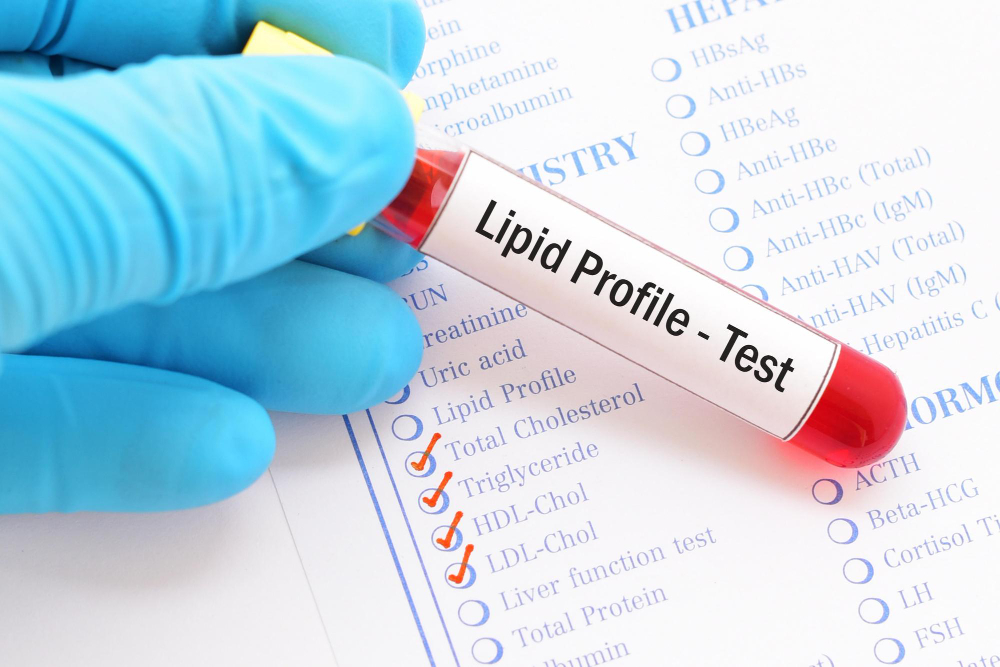
What Is a Lipid Profile?
A lipid profile is a blood test that checks the levels of fats in your blood. These fats, called lipids, include cholesterol and triglycerides. Doctors often use this test to look at your heart health. Because high blood lipids can lead to heart disease, knowing your numbers is important. A lipid profile is also known as a cholesterol test or lipid panel.
Why Is a Lipid Profile Important?
Many people have high cholesterol and do not know it. However, high blood lipids can build up in your blood vessels. This buildup may block blood flow and cause heart attacks or strokes. Therefore, a lipid profile helps find problems early. Early action can lower your risk of heart disease. In fact, the CDC recommends regular cholesterol tests for adults.
What Does a Lipid Profile Measure?
A lipid profile checks several types of fats in your blood. Each one tells you something about your heart health. The main parts of a lipid panel include:
Doctors look at all these numbers to see your risk for heart problems.
How Is a Lipid Profile Test Done?
Getting a lipid profile is simple. First, a nurse or lab worker will take a small blood sample from your arm. The process usually takes only a few minutes. After that, your blood goes to a lab for testing. Most people feel only a quick pinch. You can return to your normal activities right after the test.
How to Prepare for a Lipid Profile Test
Proper preparation helps ensure accurate results. Often, your doctor will ask you to fast before the test. This means you should not eat or drink anything except water for 9 to 12 hours. However, some newer tests may not require fasting. Always check with your doctor first. To prepare for your lipid profile test:
Because some medicines can affect your results, your doctor may give you special instructions.
Understanding Your Lipid Profile Results
After your test, your doctor will review your results with you. Here are some general guidelines for normal lipid levels (in mg/dL):
However, your ideal numbers may vary based on your age, health, and risk factors. Therefore, always discuss your results with your doctor. They can explain what your numbers mean for your heart health.
Tips for Maintaining Healthy Lipid Levels
Keeping your blood lipids in a healthy range can protect your heart. Here are some simple tips:
Even small changes can make a big difference over time.
Frequently Asked Questions About Lipid Profile
Consult a healthcare professional at Samiksha Diagnostic Centre for personalized advice on your lipid profile.